Brampton Cleaning Service Experts
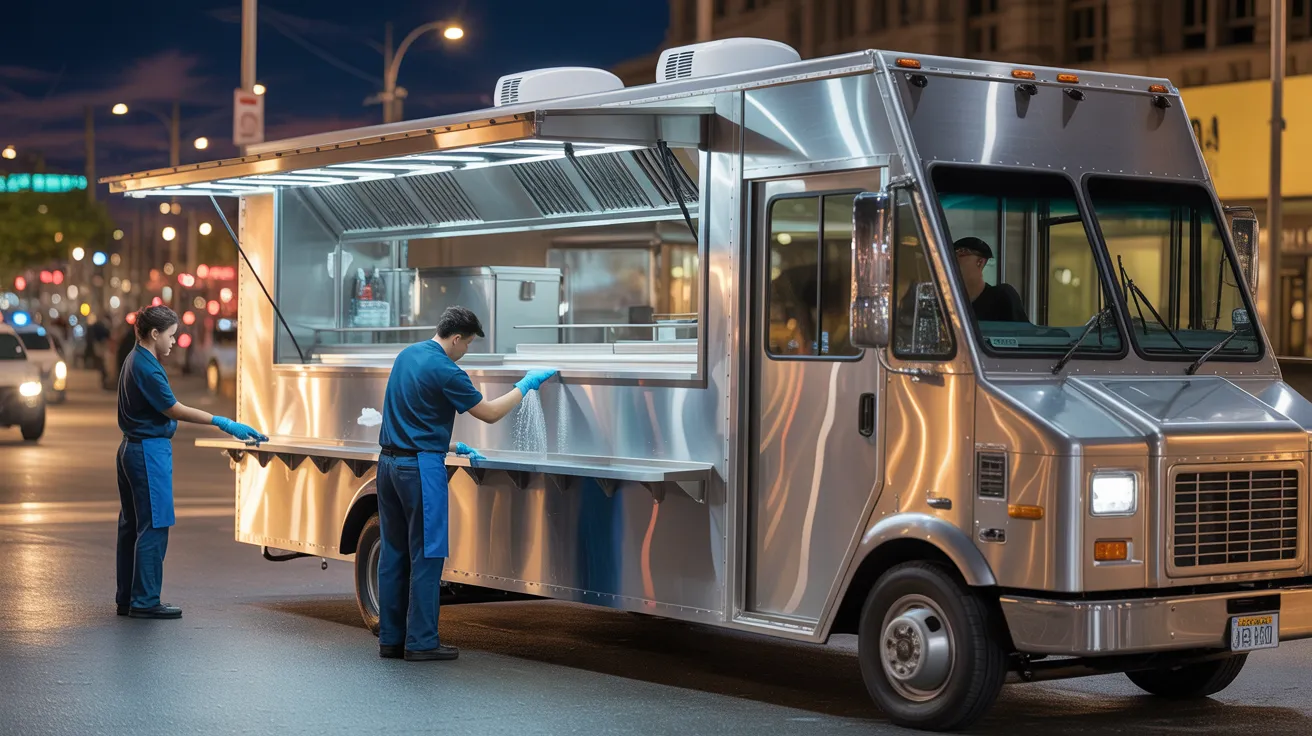
Brampton food hygiene and commercial cleaning experts help you keep dining establishments, commissaries, baking facilities, warehouses, and mobile food operations sanitized to standards. They sanitize high-touch points, food preparation areas, equipment, floors, drains, restrooms, and prep zones using certified sanitizers, correct dilution, and documented contact times. in maintaining dining venues, food supply centers, bakeries, warehouses, and mobile food operations to code. They disinfect frequently touched areas, food-contact surfaces, equipment, floors, drains, restrooms, and prep areas with approved chemicals, proper dilution, and recorded contact times.
Important Highlights
- Food safety cleaning specialists from Brampton assist restaurants, grocery departments, commissaries, warehouses, bakeries, schools, mobile vendors, and allergen-sensitive operations.
- They disinfect frequently contacted areas, food-contact equipment, kitchens, floors, drains, restrooms, and storage areas using compartmentalized approaches to eliminate cross-contamination.
- Proper chemical concentration, appropriateness, and contact time are checked by approved contractors, with completion recorded via checks, assessments, and remedial documentation.
- Optimal maintenance schedules take into account hazard, production volume, transitions, accidents, and regulations when designating daily, recurring, and periodic activities by area.
- Coverage, colour-coded instruments, hazard analysis knowledge, public-health expertise, safety training preparation, references, and inspection-ready hygiene records are critical supplier traits.
Which Brampton Facilities Need Food Safety Cleaning?
Food safety cleaning is required for any Brampton facility that processes, stores, prepares, packages, or serves food. Apply it to your establishment if it meets the criteria for health inspections, food codes, or HACCP requirements. This includes restaurants, cafeterias, commissaries, grocery food departments, butcher shops, seafood counters, convenience stores, and institutional kitchens.
You'll furthermore need proper hygiene protocols in storage centers, processing facilities, refrigerated warehouses, bakery retailers, school nutrition programs, event halls, and delivery centers. Portable business models are included, examples being food trucks, event sellers, and temporary stalls. When your employees prepare supplies, portion finished foods, reheat items, or manage allergen inventory, your facility requires written cleaning standards. In Brampton, food safety remains required; it constitutes legal, operational, and consumer protection compliance.
Which Areas Do Brampton Cleaning Experts Cover?
You need cleaning experts who disinfect frequently contacted areas, kitchens, floors, and bathrooms to comply with food safety and health regulations. They focus on these spaces because they present the highest risk for cross-contamination, slipping risks, and hygiene violations.
By understanding their service scope, you are able to confirm your facility's cleaning procedures meet compliance standards.
Addressing High-Touch Surface Sanitizing
create a sterilization protocol
Maintaining a unidirectional process, rotating wipes, and organizing disinfection materials by location ensures that sanitizing program remains measurable, defensible, and ready for inspection always
Kitchen Areas, Floor Surfaces, and Bathroom Spaces
Brampton cleaning professionals will address kitchens, floors, and restrooms since each space presents different food safety concerns, injury, and community health challenges. In industrial kitchens, you need degreasing on cook lines, equipment exteriors, drains, prep surfaces, and splash zones to reduce contamination and pest pressure.
You should also expect documented flooring maintenance. is likewise provided as part of the service.
In restrooms, cleaners disinfect touchpoints, fixtures, partitions, dispensers, and waste containers then refill supplies and eliminate odor. They also maintain restaurant cleaning supply rooms where product storage, sink cleanliness, and drain systems impact daily sanitation standards and worker protection.
The Importance of Food Safety Cleaning in Brampton
Brampton operations require food-safe cleaning standards to meet health code requirements and pass inspections. You also reduce bacterial spread through proper cleaning of food-preparation surfaces, appliances, and frequently-touched important resource items. Most importantly, you help protect community wellness by reducing the chance of food poisoning in your establishment.
Sanitary Standards Adherence
Brampton food operations must comply with rigorous sanitary regulations, so cleaning procedures is key to fulfilling health codes, safeguarding customers, and avoiding penalties. You must maintain sanitary food-contact surfaces, verifiable cleaning logs, appropriate product handling, and documented employee protocols that align with municipal and provincial inspection expectations.
Maintaining strong cleaning records proves due diligence for compliance reviews and shows that your operations are reliable, replicable, and tracked.
Cross-Contamination Prevention
Adhering to regulatory guidelines requires your expertise in stopping cross-contamination throughout daily food handling and cleaning. You need to separate raw ingredients from ready-to-eat foods, clean prep surfaces between tasks, and keep chemicals away from food-contact items. Organized systems minimize contamination events and maintain ongoing regulatory adherence.
You might establish allergen separation to prevent priority allergens from contacting shared surfaces, containers, or equipment. Apply separate boards, color-marked equipment, and strict utensil labeling so staff don't mix items during preparation or service. Enforce washing hands following uncooked meat, fish, egg products, or allergens. Change wiping cloths regularly, and check sanitizer strength with test strips. When employees learn these procedures every shift, you create a cleaner, safer operation that meets Brampton's food safety expectations every day.
Public Wellness Defense
Should food safety cleaning break, you don't simply encounter inspection problems—you expand the odds of contamination-related sickness impacting customers, staff, and the wider Brampton population. You also weaken your role in protecting public health, especially in high-traffic food premises where contamination can spread quickly through surfaces, equipment, and touchpoints.
You need cleaning protocols that eliminate contaminants, sanitize correctly, and verify results. That means following contact times, employing authorized sanitizers, documenting schedules, and educating employees to meet health-unit expectations. These controls support disease prevention by lowering microbial loads before they contaminate surfaces or food. In Brampton, strong sanitation protects vulnerable populations, prevents disease spread, and enables you to show due diligence. When you clean to standard, you exceed basic requirements—you substantially decrease danger and promote secure food handling throughout the region.
In What Ways Does Cleaning Help Achieve Food Safety Compliance?
Thorough cleaning protocols strengthen food safety compliance by lowering contamination exposure, controlling pathogen growth, and maintaining your facility's adherence to sanitation requirements under HACCP-based programs and public health regulations. You confirm that contact surfaces are visibly clean and microbiologically controlled, backing documented preventive controls and inspection readiness.
Comprehensive cleaning also strengthens allergen mitigation by clearing residues that can lead to undeclared allergen exposure. When you pair established sanitation practices with compliance training, your staff can implement uniform procedures, handle approved chemicals properly, fill out documentation properly, and respond to discrepancies before escalation occurs. Ongoing cleaning enables supply chain documentation, confirms remediation efforts, and proves due diligence during audits. Moreover, it supports you maintain product integrity, maintain compliance standards, and minimize the chances of enforcement actions, mass recalls, grievances, and preventable health dangers.
How Ought You Arrange Commercial Cleaning Services?
spill incidents, and following-maintenance work
Occasional tasks ought to be scheduled separately
Finding Quality Brampton Cleaning Experts: A Guide
Start by screening providers against food-safe sanitation requirements, not cost only. You should verify that each company understands CFIA, public health, and HACCP compliance standards relevant to your facility. Ask for insurance documentation, WHMIS compliance, documented staff training, and supervision practices. Review whether technicians understand contamination prevention, chemical handling, and traceable sanitation records.
You should also assess business dependability and responsibility. Request references from food facilities in Brampton, then examine turnaround periods, corrective actions, and communication standards. Confirm the company participates in supplier audits and can present audit-ready records when regulators or third parties request evidence. Check whether equipment is maintained is performed, color-coded implements are used appropriately, and site-specific hazards are recognized. A competent service protects compliance, product quality, and your brand reputation.
Which elements are part of a Food Safety Cleaning Plan?
Document a framework that outlines every sanitation activity, guideline, and role before starting production. You should include cleaning frequencies, approved chemicals, dilution rates, contact times, tools, and verification methods for each area, surface, and device. Ensure you include pre-operational inspections, corrective actions, and employee training requirements.
Your strategy should also address cross-contamination controls, waste handling, pest-prevention measures, and documented schedules for facilities, drains, flooring, and food-preparation surfaces. Specify how you'll separate raw and ready-to-eat processes, support ingredient tracking, and keep accurate allergen labeling through validated cleaning between product changes. You should assign accountability, document signed records, and evaluate results against regulatory standards, HACCP controls, and customer requirements. When gaps appear, modify procedures immediately and instruct staff.
Commonly Requested Questions
Will sanitation providers handle overnight shifts at Brampton properties?
Yes, you can contract sanitation providers to handle overnight shifts in Brampton facilities. You'll arrange nighttime cleaning around operational windows, access requirements, and staffing levels. Services typically outline overnight procedures to minimize interruption, maintain standards, and document finished tasks. You should verify response times, oversight, access procedures, and waste management before service starts.
Can sanitation professionals handle hazardous incidents?
Yes, you can locate Brampton cleaning professionals providing hazard containment services. They handle hazardous incidents, assess dangers, contain affected zones, and begin swift decontamination to minimize exposure and avoid operational impact. You should verify response rates, certifications, PPE measures, and disposal methods. If your facility must adhere to regulations, select a service that tracks incidents, adheres to standards, and supports verification.
Are green disinfectants secure for food-handling equipment?
Definitely, eco-friendly disinfectants operate safely on food preparation areas if you purchase disinfectants approved for food contact that comply with compliance requirements. You must confirm contact times, mixing proportions, and rinsing needs before use. Natural-based solutions minimize chemical burden, but you require evidence of effectiveness against specific pathogens. To preserve residue-free areas, implement exact manufacturer guidelines and verify your cleaning agent meets food sanitation requirements.
Can maintenance plans adjust with seasonal production changes?
Yes, you can customize cleaning schedules for seasonal shifts. You should modify intervals, staffing, sanitizers, and confirmation procedures to match operational cycles while sustaining regulatory requirements. You'll reduce equipment downtime by organizing sanitation around equipment transitions, maximum output, and operational patterns. You should additionally revise written procedures, training, and monitoring protocols to address temporary risks, emerging allergens, or higher contamination levels. Continuous reviews keep your program functional.
Do professional cleaners instruct staff members in proper hygiene techniques?
Absolutely, professional cleaning companies regularly deliver employee education on sanitation best practices. Your team gets training on correct chemical handling, contact times, cross-contamination prevention, equipment disassembly, and documentation. They typically align guidance with HACCP, GMP, and CFIA or regional health authority standards. Many also perform sanitation audits to ensure adherence, identify gaps, and strengthen corrective measures. This helps you maintain consistent procedures, clear audits, and lower contamination dangers routinely.
Final Thoughts
Partnering with Brampton food safety and commercial cleaning experts means more than cleaning—it guarantees your operation stays inspection-compliant and your protocols remain compliant. From processing facilities to kitchens, each cleaned area and maintained corner lessens contamination risk and avoids costly disruptions. By scheduling maintenance at suitable frequencies and executing a comprehensive cleaning strategy, you protect staff, your customers, and your reputation. In a tightly controlled market, clean environments can't be overlooked—they're critical to business success.